

Bingo games for kids turn a familiar matching game into a flexible activity for families, classrooms, birthday parties, road trips, and rainy afternoons. The rules are easy: a caller announces a number, word, picture, sound, or clue, and players mark the matching square on their bingo cards. The first child to complete the chosen winning pattern calls Bingo!
What makes children’s bingo especially useful is its adaptability. A preschooler can play picture bingo on a simple 3×3 grid, while older children can enjoy maths bingo, trivia bingo, scavenger hunt bingo, or more challenging patterns. With the right theme and pace, bingo becomes an engaging screen-free game that encourages listening, observation, turn-taking, and friendly competition.
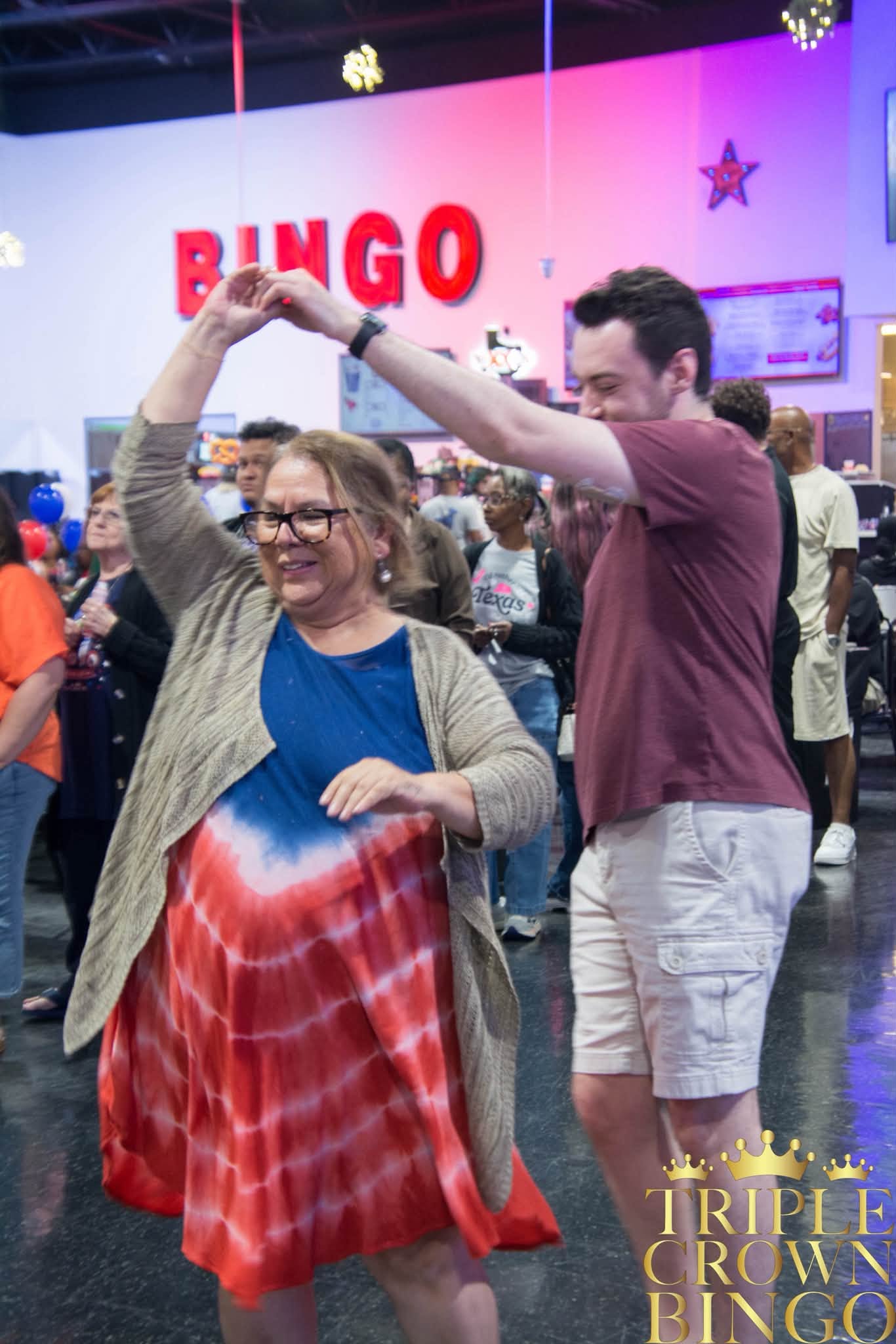
Triple Crown Bingo welcomes players aged seven and older and presents bingo as family-friendly entertainment in the Houston area. For games involving children, adults should supervise, choose age-appropriate rules, and check the current policies of any live venue before visiting.
Why Bingo Works Well for Children
Every round follows a clear sequence. Players receive a bingo board, listen to the caller, find a matching square, place a marker, and watch for the required pattern. Children do not need complicated strategies to participate.
The game can also match different ages and ability levels. Younger players may need large pictures, fewer squares, and slower calls. Beginning readers can match letters or sight words. Older children can solve clues, answer questions, or complete arithmetic problems before marking a square.
For children, the best bingo games are short, visual, inclusive, and easy to reset. Stickers, pencils, bookmarks, certificates, or the chance to become the next caller make suitable non-cash rewards.
How to Play Bingo with Kids
To set up a children’s bingo game:
Choose a theme, such as animals, colours, numbers, letters, or nature.
Give each player a different bingo card.
Place matching calling cards in a bowl or bag.
Explain the winning pattern before play begins.
Draw and announce one item at a time.
Let players cover matching squares with safe markers.
Check the completed card when someone calls “Bingo!”
A 3×3 grid works well for toddlers and beginners. A 4×4 board suits many preschool and kindergarten activities, while a traditional 5×5 bingo grid gives older children a longer game. Avoid small counters when playing with very young children.
10 Fun Bingo Variations for Kids
1. Picture Bingo
Picture bingo for kids replaces numbers with familiar images, such as animals, toys, foods, vehicles, or household objects. It is ideal for pre-readers because children can match images without decoding words. Use clear illustrations and uncluttered cards.
2. Alphabet and Phonics Bingo
Alphabet bingo supports letter recognition, while phonics bingo focuses on sounds. The caller can announce a letter, show a flashcard, or say “sun” so players identify its beginning sound. Mix uppercase and lowercase letters for older early learners.
3. Number and Maths Bingo
Number bingo helps children practise counting and number recognition. For an educational variation, call simple addition, subtraction, or multiplication questions. Instead of announcing “eight,” say “five plus three,” and let players solve the problem before marking the answer.
4. Sight Word and Vocabulary Bingo
Sight word bingo gives beginning readers repeated practice with common words. Vocabulary bingo works well for classroom review: the caller reads a definition, clue, synonym, or sentence, and players find the correct word. Match the terms to the children’s reading level.
5. Animal and Nature Bingo
Animal bingo can feature pets, farm animals, ocean creatures, insects, or wildlife. Nature bingo turns the game into an outdoor activity. Children mark items such as a bird, flower, cloud, leaf, pinecone, or butterfly when they spot them.
6. Scavenger Hunt Bingo
Scavenger hunt bingo encourages movement and exploration. Instead of waiting for a caller, children search for objects or complete simple tasks listed on their cards. It works well at home, in a park, during a road trip, or at a birthday party.
7. Action and Movement Bingo
Action bingo replaces numbers with movements such as hop five times, clap twice, touch your toes, spin slowly, or balance on one foot. The caller selects an action, everyone completes it, and players mark the matching square.
8. Sound Bingo
Sound bingo builds careful listening. The caller plays or makes a sound, and children identify its source on their cards. Try animal noises, musical instruments, weather sounds, household objects, or rhythm patterns. Younger children may benefit from hearing each sound twice.
9. Team Bingo
Team bingo is useful for larger groups or mixed-age players. Pair younger children with older siblings, classmates, or adults so they can discuss each call and share responsibility for the card. This cooperative format encourages communication and turn-taking.
10. Story or Trivia Bingo
In story bingo, cards contain characters, objects, settings, or events that may appear while an adult reads aloud. Children mark each item when they hear it. Trivia bingo uses age-appropriate questions about science, geography, sports, books, or classroom topics.
Easy Winning Patterns for Young Players
Children do not always need to complete a full card. Changing the winning pattern keeps rounds fresh and controls game length.
One horizontal, vertical, or diagonal line is the easiest format.
Four corners create a quick bingo game.
A postage stamp uses four squares in one corner.
An X pattern adds more challenge.
A picture frame requires the outside edge.
Blackout or coverall bingo requires every square and creates the longest round.
Show the pattern visually before starting. For younger players, use the same condition for several rounds before introducing a new shape.
How to Make Kids’ Bingo More Engaging
Match the theme to the children’s interests. Dinosaur bingo may excite one group, while music, space, ocean, holiday, or sports bingo may suit another. Let children help design homemade bingo cards by drawing pictures or suggesting words.
Keep rounds short enough to maintain attention. Call items clearly, pause while players scan their boards, and repeat a call when needed. Use spoken and visual clues together for mixed-ability groups. Laminated cards and dry-erase markers create a reusable game.
For non-competitive play, challenge the whole group to complete a shared card before the calling pile runs out. This cooperative bingo variation lets everyone celebrate the same result.
Bingo Games for Families in Houston
Bingo can connect children, parents, and grandparents because everyone follows the same basic rules. At home, families can create themed games, rotate callers, and choose small participation prizes. At a live venue, the caller and shared excitement create a different experience.
Triple Crown Bingo describes its Houston-area experience as family-friendly, with a minimum player age of seven, a smoke-free environment, paper and electronic play options, food, events, and support for local nonprofit organisations. Families should review current play times, pricing, age requirements, and house rules before arriving.
Final Thoughts
The best bingo games for kids are simple enough to learn quickly but flexible enough to feel new each time. Picture bingo, alphabet bingo, maths bingo, sound bingo, scavenger hunt bingo, and team bingo can all be adapted for home, school, parties, or family game night.
Start with a suitable grid, explain one clear winning pattern, and choose a theme children already enjoy. With thoughtful supervision and age-appropriate rewards, bingo becomes an inclusive activity that brings young players together through listening, matching, movement, learning, and shared excitement.
FAQs
What are some fun bingo variations for kids?
Fun bingo variations for kids include picture bingo, alphabet bingo, maths bingo, animal bingo, sound bingo, movement bingo, scavenger hunt bingo, and story bingo. Choose a version that matches the child’s age, interests, reading ability, and attention span.
How do you play bingo with young children?
Give each child a simple picture or number card, explain the winning pattern, and call one item at a time. Children cover matching squares with safe markers. When someone completes the pattern, check the card and celebrate the result.
How can I make bingo more fun for kids?
Use themes children already love, shorten each round, add pictures, movements, sounds, or clues, and let players take turns being the caller. Simple prizes, team play, colourful cards, and different winning patterns can also keep the activity exciting.
What size bingo card is best for preschoolers?
A 3×3 or 4×4 bingo card is usually best for preschoolers because it contains fewer squares and is easier to scan. Use large, clear pictures, allow extra time between calls, and begin with a simple line or four-corners pattern.
What can children use as bingo markers?
Children can use paper squares, large buttons, bottle caps, pom-poms, stickers, washable markers, or dry-erase pens on laminated cards. Choose markers that are easy to handle and appropriate for the child’s age, and supervise young children around small objects.
Can bingo help children learn?
Bingo can support learning by giving children repeated practice with letters, sounds, sight words, numbers, maths facts, colours, shapes, vocabulary, and listening. It also encourages visual scanning, following directions, turn-taking, concentration, and participation in a group activity.